How Much Personal Loan Can You Afford? A Practical Guide
Getting a loan is a major deal, and you need to think about it carefully. Lots of people borrow money without knowing how it will affect their monthly budget. A loan can be really helpful to pay off debts or deal with unexpected expenses, but if you are not careful, it can become a problem.
In this guide, we will look at the steps to figure out how much you can really afford to borrow. When you finish reading this, you will know what to do to make a good decision about borrowing money that works with your financial plans. The point of getting a loan is to make your financial situation better, not to make it worse. We will look at your income, the money you spend, and your loan affordability to give you an idea of how much you can borrow. Being ready is the way to avoid money problems in the future.
To Figure Out How Much Money You Really Have Each Month
Before you think about getting a loan, you need to know how much money you can actually afford to spend. First, you have to calculate how much money you get each month after taxes and other things are taken out. This is called your monthly income. Do not use the amount of money you earn before taxes and other things are taken out, because that is not the money you really have to pay your bills.
If you sometimes get extra money, like bonuses or commissions, it is better to use a low estimate of how much you usually get each month. Writing down everything you earn helps you understand how much you can really afford to pay back. A lot of people think they have more money than they do because they look at how much they earn before taxes. By using the money you actually get each month, you can make sure that paying back your loan will not be too hard, even in months when you do not earn as much as usual. This is the first step to borrowing money in a responsible way.
Analyzing Your Monthly Expenses
Now that you know how much you earn, it's time to write down all your expenses. These include rent or mortgage, utility bills, groceries, transportation costs, insurance, and childcare. Be honest about how you spend your money on things like eating out, streaming services, or entertainment. These are areas you might need to adjust once you add a loan payment to your budget.
Use your bank statements from the last three months to get an accurate average. If you're already spending most of your income, taking on debt could be risky. Understanding how much money you have coming in and going out helps you see how much room you have for a monthly loan payment. If there is not enough space between your income and expenses, you might need to think about reducing your loan amount. You could also try to cut back on non-essential spending before taking on a new financial commitment. Your monthly expenses and income are key to figuring out what you can afford.
The Role of Debt-to-Income Ratio
Lenders use something called the Debt-to-Income (DTI) ratio to figure out how risky you are as a borrower. You should do the same. To calculate your DTI ratio, add up all your monthly debt payments—like credit cards, student loans, or car loans—and divide that by your monthly income before taxes.
Ideally, your total monthly debt payments, including the new loan you want, should not be more than 36% to 40% of your monthly income before taxes. If your DTI ratio is already high, adding a large personal loan could hurt your health and credit score badly. It is crucial to keep your debt balanced for long-term stability. By keeping an eye on your DTI ratio, you make yourself a better borrower and ensure that you are not spending more than you have. Think of your DTI ratio as a safety net that keeps your finances on track throughout your loan term.
Factoring in Interest Rates and Loan Terms
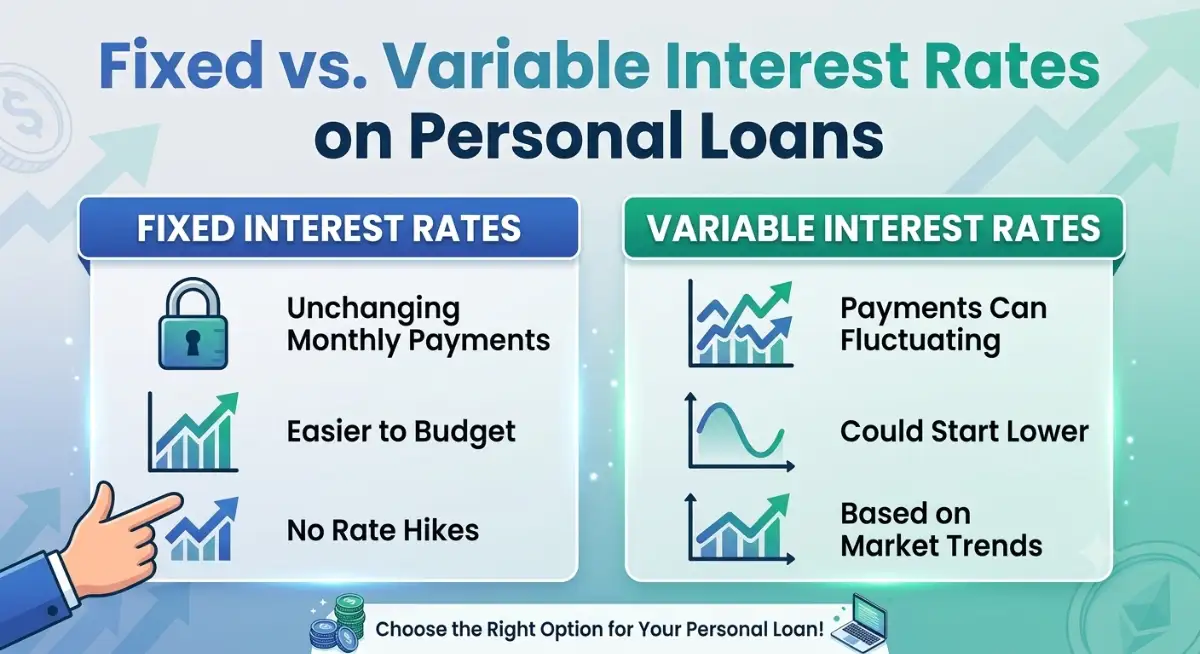
When you get a loan, you need to think about the interest rates and how long you have to pay it back. The total cost of your loan is the amount you borrowed plus the interest. You have to consider the Annual Percentage Rate (APR) and the length of the loan term when you are figuring out what you can afford.
If you choose a longer loan term, your monthly payment will be smaller, but you will end up paying a lot more in interest over time. On the other hand, a shorter loan term means you will pay more each month, but you will save money on interest. You have to find a balance that works for you and your budget. Loan calculators on the internet can help you see how different terms and interest rates affect your payment. Looking at these numbers will help you avoid being surprised when you get your loan agreement. Always prioritize a loan structure that lets you pay back the debt quickly without using up your emergency savings or retirement money.
Planning for Unexpected Financial Shocks
Life can be messy; your loan plan needs a safety net:
- Prepare for emergencies: Before finalizing your loan amount, think about what would happen if you lose your job or get a medical bill.
- Avoid tight budgets: If your budget is already tight with a loan payment, a surprise expense could easily lead to you not being able to pay.
It is a good idea to save an emergency fund that covers at least three to six months of expenses before getting more debt. If you don't have this fund, focus on building it first. Also, don't just borrow the amount a lender offers you. Just because you are approved for a certain amount doesn't mean you should take it. Borrow what you really need and what you can pay back comfortably. This careful approach to borrowing helps people manage their money well and avoid struggling with debt for years.
Making the Final Decision
You now have all the information you need to make a choice. Look at your money, what you spend, your DTI ratio, and what you want to do in the future one more time. If the numbers do not feel right, it is okay to say no or look for a smaller loan. The best choice is one that lets you sleep well at night without thinking about your payment. Remember that a personal loan is like a tool; you have to use it wisely. By doing these steps, you have changed from someone who just borrows money to someone who manages their money. Always think about what's good for you in the long run, not just what you want now. You are in control of your debt, so use this power to make a more secure life for yourself.
Building Long-Term Financial Health
You need to take the time to figure out how much of a loan you can really afford. This is not about one loan; it is about being smart with your money for a long time. When you pay off your loan, you will be in a better place to deal with your future money goals. You might want to start a business, save for a house, or build a retirement fund. The good habits you learn from paying off your loan will help you with these things.
Learning about money is a process. Every time you understand your money situation better, you get stronger. Do not borrow money online without thinking it through. Keep an eye on your credit report, do not spend too much, and try to save more than you borrow. If you do these things all the time, you will be safe now and have a good future. Remember, being wealthy is not about how much debt you can handle; it is about being free to make choices with your money. Always try to know what is going on with your finances, be careful, and take care of your money.